UiPath Task Capture: Accelerating RPA Development with Automated Documentation sets the stage for this enthralling narrative, offering readers a glimpse into a story that is rich in detail and brimming with originality from the outset.
In this article, we will delve into how Task Capture revolutionizes RPA development by automating documentation processes, ultimately boosting efficiency and productivity.
Introducing UiPath Task Capture
UiPath Task Capture is a tool designed to streamline the process of documenting tasks and processes within Robotic Process Automation (RPA) development. It allows users to easily capture, document, and analyze workflows, creating a detailed blueprint of automation processes.
Importance of Automated Documentation in RPA
Automated documentation plays a crucial role in RPA development as it eliminates manual efforts required for documenting processes. By automating the documentation process, teams can save time, reduce errors, and ensure consistency in capturing workflow details.
Benefits of Using UiPath Task Capture
- Efficiency: Task Capture accelerates the RPA development lifecycle by providing a quick and easy way to document tasks without manual intervention.
- Accuracy: Automated documentation ensures that all steps and dependencies are accurately recorded, reducing the risk of errors during automation implementation.
- Collaboration: Task Capture promotes collaboration among team members by offering a centralized platform to review and refine documented processes.
- Scalability: With Task Capture, organizations can easily scale their automation initiatives by capturing and documenting processes across different departments or projects.
How UiPath Task Capture Works
UiPath Task Capture simplifies the task documentation process by allowing users to record their actions and automatically generate detailed documentation for RPA development. Let's dive into how Task Capture works and how it enhances the automation workflow.Capturing Tasks with UiPath Task Capture
To capture tasks using UiPath Task Capture, users simply need to start recording their actions while performing a task on their computer. Task Capture will document every click, keystroke, and interaction in real-time, creating a step-by-step guide of the entire process. This recorded documentation can then be edited, annotated, and shared with team members for further collaboration.Integration with UiPath Studio
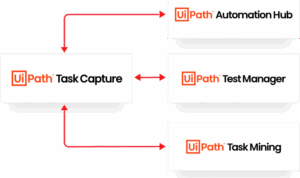
Task Capture seamlessly integrates with UiPath Studio, allowing developers to import the recorded task documentation directly into their automation projects. This integration streamlines the development process by providing a clear blueprint of the task to be automated, reducing the time spent on manual documentation and ensuring accuracy in the automation implementation.Enhancing Development Workflow
- Task Capture accelerates the development process by eliminating the need for manual documentation, enabling developers to focus on building automation solutions. - The detailed task documentation generated by Task Capture serves as a comprehensive reference for developers, ensuring consistency and clarity throughout the automation project. - By capturing tasks in a visual and interactive format, Task Capture facilitates better communication and collaboration among team members, leading to more efficient development cycles.Features of UiPath Task Capture
 UiPath Task Capture offers a range of features that enhance the process of documenting tasks for Robotic Process Automation (RPA) development. Let's explore some key features of UiPath Task Capture below.
Automated Task Documentation
- Task Capture automates the process of capturing task documentation by recording user interactions with applications.
- It generates detailed documentation including screenshots, text descriptions, and step-by-step instructions.
Collaboration and Sharing
- Task Capture allows team members to collaborate on documenting tasks in real-time.
- Users can easily share the documented tasks with stakeholders for review and feedback.
Integration with UiPath Studio
- Task Capture seamlessly integrates with UiPath Studio, enabling developers to import the documented tasks directly into their automation projects.
- This integration streamlines the development process and reduces the time spent on manual documentation.
Usability and Customization Options
- Task Capture provides a user-friendly interface that makes it easy to create and edit task documentation.
- Users can customize the documentation format, add annotations, and include additional context to enhance the clarity of the captured tasks.
Use Cases for UiPath Task Capture
UiPath Task Capture can be applied effectively in various real-world scenarios across different industries. It offers benefits such as streamlined process documentation, improved collaboration, and accelerated RPA development.
Streamlining Process Documentation
- Task Capture can be used to efficiently document complex processes in industries such as finance, healthcare, and manufacturing.
- By capturing detailed steps and user interactions, organizations can create accurate process documentation for compliance and training purposes.
- Automated documentation with Task Capture saves time and reduces errors compared to manual documentation methods.
Enhancing Collaboration
- Task Capture enables teams to collaborate effectively by providing a centralized platform for sharing process details and updates.
- Team members can easily review and comment on captured tasks, facilitating communication and alignment across departments.
- By promoting transparency and visibility, Task Capture enhances teamwork and fosters a culture of continuous improvement.
Accelerating RPA Development
- Organizations looking to implement RPA solutions can benefit from Task Capture's ability to create detailed process documentation for automation.
- Task Capture streamlines the process of identifying automation opportunities and designing RPA workflows based on captured tasks.
- With Task Capture, developers can quickly generate automation scripts and deploy bots, leading to faster RPA implementation and ROI.
Best Practices for Implementing UiPath Task Capture
When implementing UiPath Task Capture in RPA projects, it is essential to follow best practices to ensure efficiency and effectiveness. Here are some tips and strategies to consider:Utilize Task Capture Early in the Project Lifecycle
Start using Task Capture as early as possible in your RPA project to capture processes and activities from the beginning. This will help in documenting requirements, understanding the workflow, and identifying automation opportunities.
Collaborate with Stakeholders
Involve key stakeholders, such as process owners, subject matter experts, and developers, in the Task Capture process. Collaboration will ensure accurate documentation and alignment with project goals and objectives.
Regularly Review and Update Documentation
Make it a practice to regularly review and update the Task Capture documentation as processes evolve or change. This will help in maintaining accurate and up-to-date information for the RPA development team.
Standardize Naming Conventions and Tags
Establish standardized naming conventions and tags within Task Capture to facilitate easy search and categorization of processes. Consistent labeling will streamline the documentation process and improve overall organization.
Addressing Common Challenges
One common challenge when using Task Capture is ensuring the completeness and accuracy of the documented processes. To overcome this, conduct thorough reviews and validations with stakeholders to verify the captured information.
Epilogue
As we conclude our exploration of UiPath Task Capture, it becomes evident that the tool's integration of automated documentation is a game-changer for RPA development, paving the way for streamlined workflows and enhanced project outcomes.
General Inquiries
How does UiPath Task Capture streamline RPA processes?
UiPath Task Capture automates the documentation of tasks, reducing manual effort and saving time in the development process.
Can Task Capture be integrated with UiPath Studio?
Yes, Task Capture seamlessly integrates with UiPath Studio, enhancing automation capabilities and simplifying the development workflow.
What are the key features of UiPath Task Capture?
Key features include task documentation, comparison with traditional methods, and customizable options for users.
Which industries benefit the most from using Task Capture?
Industries like finance, healthcare, and manufacturing can benefit significantly from Task Capture's streamlined documentation processes.
How can common challenges when using Task Capture be overcome?
Common challenges can be addressed by following best practices, maximizing efficiency, and implementing effective strategies for documentation.