Exploring the Economic Impact of Enterprise Automation on Global Supply Chain Resilience sets the stage for a deep dive into how automation transforms supply chain dynamics. As businesses worldwide embrace automation technologies, the effects on supply chain resilience become increasingly critical.
The following paragraphs will delve into the benefits, challenges, economic implications, and future trends surrounding enterprise automation in global supply chains.
Introduction to Enterprise Automation in Global Supply Chains
Enterprise automation in the context of supply chains refers to the use of technology and software to perform tasks and processes with minimal human intervention. This automation plays a crucial role in streamlining supply chain operations, improving efficiency, reducing costs, and enhancing overall productivity. Automated systems are utilized in various stages of global supply chains, from inventory management and order processing to logistics and transportation. For example, automated warehouse systems use robotics and AI to optimize storage space and improve order fulfillment speed. Similarly, automated freight management systems help track shipments in real-time and optimize delivery routes for faster and more cost-effective transportation.Examples of Automated Systems in Global Supply Chains
- Automated Inventory Management Systems: These systems use sensors and IoT technology to monitor inventory levels in real-time, triggering automatic reordering when stock reaches a certain threshold.
- Automated Order Processing Systems: By using machine learning algorithms, these systems can analyze customer trends and preferences to predict demand and automate order processing, reducing lead times and improving customer satisfaction.
- Automated Transportation Management Systems: These systems optimize transportation routes, modes, and carriers based on factors like cost, time, and capacity, ensuring efficient and timely delivery of goods across the supply chain.
Benefits of Enterprise Automation on Supply Chain Resilience
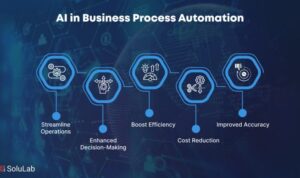
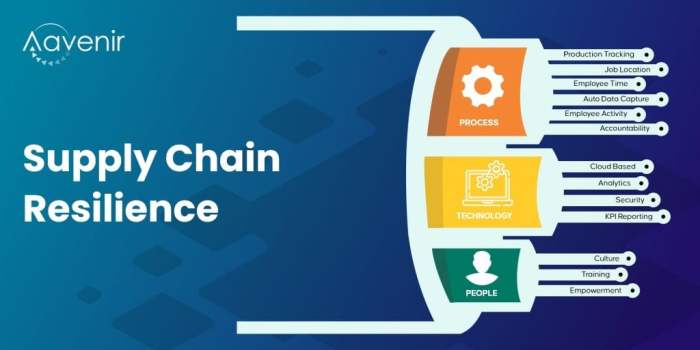 Automation plays a crucial role in enhancing supply chain resilience by improving efficiency, reducing lead times, and increasing overall responsiveness to disruptions.
Improved Supply Chain Efficiency
- Automated processes streamline operations, reducing manual errors and increasing accuracy.
- Real-time data collection and analysis enable better decision-making and resource allocation.
- Optimized inventory management through automation minimizes stockouts and excess inventory.
Reduced Lead Times in the Supply Chain
- Automation speeds up production, transportation, and distribution processes, leading to faster delivery times.
- Automated order processing and fulfillment systems ensure timely order processing and shipment.
- Integration of advanced technologies like AI and IoT allows for predictive maintenance and efficient routing, further reducing lead times.
Increased Resilience through Automation during Disruptions
- Automated supply chain systems can quickly adapt to unexpected changes in demand or supply, maintaining operations smoothly.
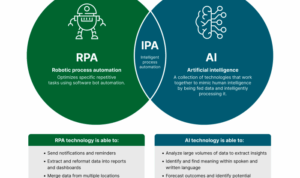
- Robotic process automation (RPA) can handle repetitive tasks during disruptions, allowing human resources to focus on strategic decision-making.
- Automated data analytics help in identifying potential risks and vulnerabilities in the supply chain, enabling proactive mitigation measures.
Challenges of Implementing Enterprise Automation in Global Supply Chains
Implementing enterprise automation in global supply chains comes with its own set of challenges that organizations need to address in order to ensure a successful integration. These challenges can range from technical issues to organizational resistance and operational disruptions.Technical Integration
One of the primary challenges in implementing enterprise automation in global supply chains is the technical integration of automation systems with existing infrastructure. This can be complex and time-consuming, requiring significant resources and expertise to ensure compatibility and seamless operation.
Data Security and Privacy Concerns
Another major challenge is the potential risks associated with data security and privacy when implementing automation in supply chains. With increased automation comes the need to safeguard sensitive information and prevent cyber threats, which can be a significant hurdle for organizations.
Operational Disruptions
Introducing automation into supply chain processes can also lead to operational disruptions, as employees may need to be retrained or reassigned to accommodate the new systems. This transition period can impact productivity and efficiency in the short term, requiring careful planning and management.
Resistance to Change
Resistance to change from employees and stakeholders is another common challenge when implementing enterprise automation in global supply chains. People may be hesitant to embrace new technologies or ways of working, leading to pushback and delays in the adoption process.
Regulatory Compliance
Ensuring compliance with regulatory requirements and standards is crucial when implementing automation in supply chains. Organizations need to navigate complex legal frameworks and industry regulations to avoid penalties or legal issues that could arise from non-compliance.
Economic Implications of Enterprise Automation on Global Supply Chains
Automation in supply chain management has significant economic implications that can lead to cost-saving benefits, impact labor markets, and influence overall economic growth and competitiveness.Cost-Saving Benefits of Automation in Supply Chain Management
Implementing automation in supply chain management can result in significant cost savings for companies. By streamlining processes, reducing errors, and increasing efficiency, businesses can lower operational costs associated with inventory management, transportation, and warehousing.
Impact of Automation on Labor Markets in the Supply Chain Industry
While automation can lead to increased productivity and efficiency, it also has implications for the labor market in the supply chain industry. As tasks become automated, there may be a shift in the types of skills and roles required, potentially leading to job displacement for some workers. However, automation can also create new job opportunities in areas such as robotics maintenance and data analysis.
How Automation Influences Overall Economic Growth and Competitiveness
Automation plays a crucial role in driving overall economic growth and enhancing competitiveness in the global market. By adopting automation technologies, companies can increase productivity, reduce lead times, and respond more quickly to changing market demands. This can result in improved efficiencies, cost savings, and a competitive edge over other businesses in the industry.
Future Trends in Enterprise Automation and Supply Chain Resilience
As technology continues to advance at a rapid pace, the future of enterprise automation and its impact on global supply chain resilience is poised for significant evolution. With the integration of cutting-edge technologies, such as artificial intelligence and machine learning, supply chains are expected to become more agile, efficient, and resilient in the face of various challenges.
The Role of Artificial Intelligence and Machine Learning
Artificial intelligence (AI) and machine learning are anticipated to play a crucial role in enhancing supply chain resilience. These technologies can analyze vast amounts of data in real-time, enabling businesses to make informed decisions quickly and effectively. By leveraging AI and machine learning algorithms, supply chains can optimize processes, predict potential disruptions, and proactively mitigate risks, ultimately strengthening their resilience.
Potential Challenges and Opportunities in the Evolving Landscape
The evolving landscape of enterprise automation presents both challenges and opportunities for businesses. While advancements in technology offer the potential to streamline operations and improve efficiency, they also bring about new complexities and cybersecurity risks. Organizations must navigate these challenges effectively to harness the full benefits of automation in their supply chains. Additionally, the increasing interconnectedness of global supply chains presents opportunities for collaboration and innovation, paving the way for more resilient and adaptive systems.
Conclusion
In conclusion, the Economic Impact of Enterprise Automation on Global Supply Chain Resilience underscores the pivotal role automation plays in shaping the future of supply chains. As industries adapt to automation, they stand to gain enhanced efficiency, reduced costs, and increased resilience in the face of disruptions.
Top FAQs
What are the key benefits of enterprise automation in global supply chains?
Enterprise automation enhances efficiency, reduces lead times, and boosts resilience during disruptions.
What are the common challenges faced when implementing automation in supply chain operations?
Common challenges include integration issues and potential risks associated with automation.
How does automation impact labor markets in the supply chain industry?
Automation can lead to shifts in labor requirements and skill sets within the supply chain industry.