Embark on a journey through the realm of Enterprise Automation for Financial Services: Navigating Compliance and Security, where innovation meets regulation to shape the future of financial processes.
Explore the intricate balance between efficiency and security as automation revolutionizes the financial landscape.
Overview of Enterprise Automation in Financial Services
 Enterprise automation in financial services refers to the use of technology to streamline and automate repetitive tasks and processes within financial institutions. This includes the use of software, algorithms, and other digital tools to improve efficiency, reduce errors, and enhance overall operational performance.
Importance of Automation in Financial Services
Automation plays a crucial role in the financial sector by enabling organizations to handle large volumes of transactions, data, and customer interactions in a more efficient and cost-effective manner. By automating routine tasks such as data entry, account reconciliation, and compliance checks, financial institutions can free up valuable time and resources to focus on more strategic initiatives.- Reduced Operational Costs: Automation helps reduce manual labor and operational costs associated with repetitive tasks, leading to overall cost savings for financial institutions.
- Improved Accuracy and Compliance: Automation minimizes the risk of human error and ensures that regulatory requirements are consistently met, reducing the potential for compliance issues.
- Enhanced Customer Experience: Automated processes enable faster response times, smoother transactions, and personalized interactions, enhancing the overall customer experience.
Examples of Automation Technologies in the Financial Sector
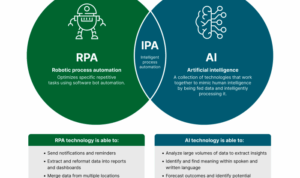
The financial industry leverages various automation technologies to optimize processes and workflows, including:Robotic Process Automation (RPA): Software robots are used to mimic human actions and perform rule-based tasks, such as data extraction, validation, and processing.
- Artificial Intelligence (AI) and Machine Learning: AI-powered algorithms are used for data analysis, risk assessment, fraud detection, and predictive modeling in financial services.
- Chatbots and Virtual Assistants: Automated chatbots and virtual assistants are employed for customer service, query resolution, and support functions, improving response times and service quality.
- Blockchain Technology: Distributed ledger technology is utilized for secure and transparent transactions, smart contracts, and identity verification in the financial sector.
Benefits of Implementing Automation in Financial Services
The adoption of automation technologies in financial services offers numerous benefits, including:- Increased Efficiency: Automation streamlines workflows, reduces processing times, and accelerates decision-making processes within financial institutions.
- Enhanced Risk Management: Automated tools help identify and mitigate risks, improve fraud detection, and ensure compliance with regulatory standards.
- Scalability and Flexibility: Automation enables financial institutions to scale operations, adapt to changing market conditions, and meet evolving customer demands effectively.
Compliance Challenges in Financial Services
In the financial services industry, adherence to key compliance regulations is crucial to maintaining trust and security. Non-compliance can have serious repercussions, impacting not only the reputation of the institution but also leading to financial penalties and legal consequences.
Key Compliance Regulations
- Anti-Money Laundering (AML) regulations require financial institutions to monitor and report any suspicious activities that may indicate money laundering or terrorist financing.
- Know Your Customer (KYC) regulations mandate that institutions verify the identity of their customers to prevent fraud and financial crimes.
- The General Data Protection Regulation (GDPR) in Europe governs the protection of personal data and imposes strict requirements on how financial institutions handle and store customer information.
Impact of Non-Compliance
- Non-compliance can result in hefty fines, reputational damage, and even loss of license to operate, leading to significant financial losses and potential closure of the institution.
- Customers may lose trust in the institution, affecting the overall customer base and leading to a decrease in revenue and market share.
Automation for Ensuring Compliance
Automation plays a key role in helping financial institutions ensure compliance with regulations by streamlining processes, reducing human error, and providing audit trails for regulatory authorities.
Examples of Automated Compliance Processes
- Automated KYC checks can verify customer identities quickly and accurately, flagging any discrepancies for further investigation.
- Automated AML monitoring systems can analyze transactions in real-time, identifying suspicious patterns and generating alerts for review by compliance officers.
- Automation can also assist in GDPR compliance by securely managing and encrypting customer data, ensuring that it is only accessed by authorized personnel.
Security Considerations for Enterprise Automation
In the realm of financial services, security is paramount when it comes to automating processes. Let's delve into the various security considerations that must be taken into account.Security Risks Associated with Automating Financial Processes
- Increased vulnerability to cyber attacks: Automation can create new entry points for malicious actors to exploit.
- Data breaches: Storing sensitive financial information in automated systems can make it a target for hackers.
- Compliance violations: Inadequate security measures in automated systems can lead to non-compliance with regulations.
Best Practices for Securing Automated Systems in Financial Services
- Implement robust authentication mechanisms: Utilize multi-factor authentication to ensure only authorized personnel can access the system.
- Regular security audits: Conduct frequent audits to identify and address vulnerabilities in the automated systems.
- Encryption of data: Encrypting sensitive data both at rest and in transit can prevent unauthorized access.
Role of Encryption and Access Controls in Ensuring Security
Encryption
plays a crucial role in protecting sensitive financial data from unauthorized access by converting it into a secure format that can only be deciphered with the appropriate decryption key.Access controls
help in limiting the access privileges of users, ensuring that only those who need to interact with the system can do so.
Examples of Security Breaches in Financial Automation and Their Consequences
- A major bank experienced a data breach due to a vulnerability in their automated payment processing system, leading to millions of customers' personal information being exposed.
- An investment firm faced severe financial losses after a cyber attack exploited a security flaw in their automated trading platform, resulting in unauthorized trades.
Implementing Enterprise Automation Solutions
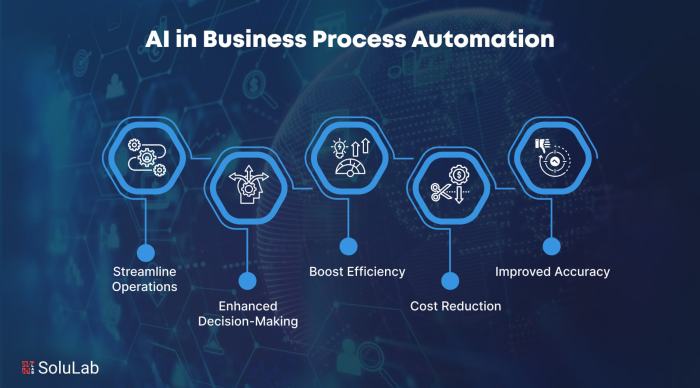
Implementing automation solutions in financial services can be a game-changer for organizations looking to streamline processes, reduce errors, and improve overall efficiency. Below, we explore the steps involved in implementation, compare different automation tools, discuss challenges faced, and share success stories of institutions that have effectively implemented automation.
Steps Involved in Implementing Automation in Financial Services
- Assess Current Processes: Evaluate existing workflows and identify areas that can benefit from automation.
- Select the Right Tool: Choose an automation tool that aligns with the organization's needs and goals.
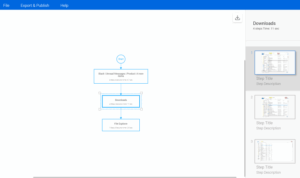
- Design Automation Workflows: Develop workflows that automate repetitive tasks and ensure seamless integration with existing systems.
- Testing and Deployment: Thoroughly test the automation solution before deployment to ensure functionality and accuracy.
- Training and Adoption: Provide training to employees on how to use the new automation tools effectively.
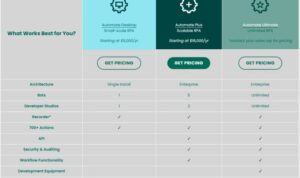
Comparison of Different Automation Tools for Financial Institutions
| Automation Tool | Key Features | Integration Capabilities |
|---|---|---|
| RPA (Robotic Process Automation) | Task automation, scalability, rule-based processing | Integration with legacy systems, APIs |
| AI/ML Solutions | Predictive analytics, cognitive automation, natural language processing | Integration with data sources, cloud platforms |
Challenges Faced During the Implementation of Automation Solutions
- Resistance to Change: Employees may be hesitant to adopt new technologies and workflows.
- Data Security Concerns: Ensuring data privacy and compliance with regulations while automating processes.
- Integration Issues: Challenges in integrating automation tools with existing systems and workflows.
Success Stories of Financial Institutions That Have Implemented Automation
Company X saw a 30% reduction in processing time and a 15% increase in accuracy after implementing RPA in their finance department.
Bank Y improved customer satisfaction by 25% through the use of AI-powered chatbots for customer service inquiries.
Ultimate Conclusion
As we conclude our exploration of Enterprise Automation for Financial Services: Navigating Compliance and Security, it becomes evident that the fusion of technology and regulation is key to the industry's evolution.
FAQ Guide
What are the key compliance regulations in financial services?
Common regulations include GDPR, PCI DSS, and SOX.
How can automation help ensure compliance in financial services?
Automation streamlines processes, reduces errors, and ensures consistency in compliance procedures.
What are the security risks associated with automating financial processes?
Risks include data breaches, unauthorized access, and potential system vulnerabilities.
What steps are involved in implementing automation in financial services?
Steps involve planning, testing, integration, and ongoing monitoring of automated systems.