How to Use UiPath Task Capture to Identify High-ROI Automation Opportunities sets the stage for this enthralling narrative, offering readers a glimpse into a story that is rich in detail and brimming with originality.
The following paragraphs will delve into the steps and strategies involved in leveraging UiPath Task Capture for identifying high-ROI automation opportunities with precision and efficacy.
Introduction to UiPath Task Capture
UiPath Task Capture is a powerful tool designed to streamline the process of identifying high-ROI automation opportunities within an organization. By capturing detailed information about various tasks and processes, Task Capture enables businesses to uncover areas where automation can drive efficiency and cost savings.Purpose of UiPath Task Capture
UiPath Task Capture serves as a bridge between manual processes and automated solutions by providing a comprehensive overview of tasks performed by employees. This tool helps organizations to visualize their workflows, identify repetitive tasks, and pinpoint areas where automation can deliver the most significant benefits.How Task Capture Helps in Identifying Automation Opportunities
- Task Capture records step-by-step details of manual processes, allowing businesses to analyze and optimize workflows effectively.
- By highlighting repetitive tasks and bottlenecks, Task Capture enables organizations to prioritize automation initiatives for maximum impact.
- Task Capture facilitates collaboration among teams by providing a clear and concise overview of processes, making it easier to identify areas for improvement and automation.
Overview of Features of Task Capture
- Screen Recording: Task Capture captures screenshots and videos of tasks performed by users, providing a visual representation of processes.
- Task Documentation: Users can add annotations, descriptions, and notes to recorded tasks, creating detailed documentation for analysis and automation planning.
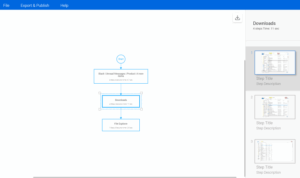
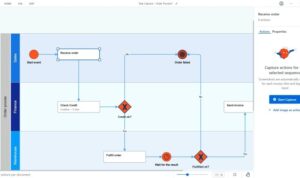
- Process Visualization: Task Capture generates process diagrams and flowcharts based on recorded tasks, offering a clear understanding of workflows and dependencies.
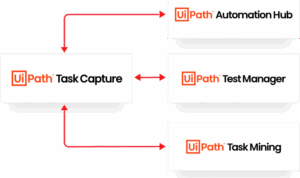
- Integration with UiPath Platform: Task Capture seamlessly integrates with the UiPath platform, allowing for the direct transfer of captured data to UiPath Studio for automation development.
Setting up UiPath Task Capture
To start using UiPath Task Capture, you need to follow a few simple steps to install and set up the tool on your system. Once installed, you can integrate Task Capture with other UiPath tools for a seamless automation workflow. Configuring Task Capture properly is essential to ensure optimal performance and identify high-ROI automation opportunities efficiently.Installing Task Capture
- Download the Task Capture installer from the UiPath website.
- Run the installer and follow the on-screen instructions to complete the installation process.
- Once installed, launch Task Capture to start capturing your workflows.
Integrating with other UiPath tools
- Task Capture can be integrated with UiPath Studio, allowing you to directly import captured workflows for automation development.
- You can also export Task Capture data to UiPath Orchestrator for further analysis and automation management.
Configuring for optimal performance
- Customize Task Capture settings to match your workflow requirements and preferences.
- Regularly update Task Capture to ensure you have access to the latest features and improvements.
- Utilize Task Capture templates and best practices to streamline the automation identification process.
Using UiPath Task Capture for Process Documentation

When it comes to process documentation, UiPath Task Capture offers a user-friendly solution for capturing tasks and creating detailed process maps. This tool can greatly simplify the task of documenting processes for automation.
Capturing Tasks for Documentation
- Start by launching UiPath Task Capture and selecting the application or process you want to document.
- Follow the step-by-step instructions to record each task or action involved in the process.
- Utilize the annotation features to add notes, screenshots, and other relevant details to each task.
Creating Detailed Process Maps
Task Capture helps in creating detailed process maps by organizing the captured tasks in a visual format. This allows for a clear overview of the entire process flow, making it easier to identify areas for automation.
Examples of Information Captured Using Task Capture
- Sequence of steps in a manual process
- Data inputs and outputs at each stage
- Decision points and conditions for branching in the process
- Time taken for each task to complete
Identifying High-ROI Automation Opportunities
When it comes to identifying high-ROI automation opportunities, UiPath Task Capture plays a crucial role in streamlining the process. By capturing the detailed steps of a process, Task Capture provides valuable insights that help organizations pinpoint areas where automation can yield the highest returns on investment.
Criteria for Determining Automation Potential
There are several key criteria to consider when determining the automation potential of a process. These include:
- The volume of transactions: Processes with high transaction volumes are prime candidates for automation as they can result in significant time and cost savings.
- The level of manual effort involved: Processes that are highly manual and repetitive are ideal for automation as they can free up employees to focus on more strategic tasks.
- The potential for error reduction: Automation can help minimize errors and improve accuracy, making processes more efficient and reliable.
- The impact on customer experience: Automating processes can lead to faster response times and improved customer satisfaction, ultimately driving business growth.
Analyzing Task Capture Data for Prioritization
After capturing the process steps using Task Capture, organizations can analyze the data to prioritize automation projects effectively. Some tips for analyzing Task Capture data include:
- Identifying repetitive tasks: Look for tasks that are performed frequently and can benefit from automation to increase efficiency.
- Evaluating time-consuming steps: Focus on steps that take up a significant amount of time and resources, as automating these can lead to substantial time savings.
- Assessing error-prone activities: Target activities that are prone to errors and rework, as automation can help reduce mistakes and improve process quality.
- Considering integration opportunities: Identify processes that can be seamlessly integrated with existing systems or applications for a smoother workflow.
Last Point
In conclusion, mastering the art of using UiPath Task Capture to identify high-ROI automation opportunities opens up a world of possibilities for streamlining processes and maximizing efficiency. Dive into the realm of automation with confidence and seize the benefits that await.
FAQ Corner
What criteria can help in determining high-ROI automation opportunities?
The criteria typically involve factors such as repetitive manual tasks, time-consuming processes, and potential cost savings through automation.
Can Task Capture be integrated with other automation tools apart from UiPath?
Task Capture is primarily designed to work seamlessly with the UiPath ecosystem, ensuring smooth integration and enhanced automation capabilities.
How can Task Capture data be analyzed to prioritize automation projects effectively?
By analyzing Task Capture data based on criteria such as frequency of occurrence, complexity, and potential impact on efficiency, organizations can prioritize automation projects for maximum returns.