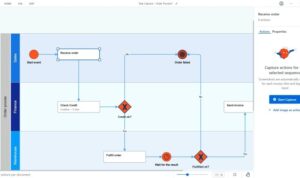
Diving into UiPath Task Capture for Business Analysts: Creating Perfect PDDs in Minutes, this introduction engages readers with a captivating narrative that explores the essence of streamlining PDD creation in a business setting.
The subsequent paragraph will offer a detailed and informative insight into the topic.
Introduction to UiPath Task Capture for Business Analysts
UiPath Task Capture is a powerful tool designed to streamline the process of creating Process Definition Documents (PDDs) for automation projects. It allows Business Analysts to easily capture, document, and visualize the steps involved in manual processes, making it easier to identify areas for automation and create detailed PDDs in minutes.Purpose of UiPath Task Capture
UiPath Task Capture aims to simplify the task of documenting processes by providing a user-friendly interface for capturing steps, screenshots, and annotations. This tool helps Business Analysts efficiently create comprehensive PDDs that serve as a blueprint for automation projects.Benefits for Business Analysts
- Efficiency: Business Analysts can quickly capture process steps and generate PDDs without the need for extensive manual documentation.
- Accuracy: By visually documenting each step of a process, Task Capture ensures that no detail is missed, leading to more precise automation implementations.
- Collaboration: Task Capture facilitates collaboration among team members by providing a centralized platform for sharing and reviewing process documentation.
Examples of Tasks Automated with UiPath Task Capture
- Invoice Processing: Business Analysts can use Task Capture to document the steps involved in processing invoices, including data entry, validation, and approval workflows.
- Customer Onboarding: Task Capture can help document the customer onboarding process, from account creation to verification and activation steps.
- Data Entry: Business Analysts can automate data entry tasks by capturing the manual steps and transforming them into automated workflows using UiPath.
Understanding Perfect PDDs (Process Definition Documents)
Process Definition Documents (PDDs) are crucial documents created by Business Analysts to Artikel the detailed steps, inputs, outputs, and conditions of a particular process. These documents serve as a blueprint for developers and stakeholders to understand the workflow and requirements of a process.Importance of Detailed PDDs
Creating detailed PDDs is essential for ensuring clarity, consistency, and alignment among all stakeholders involved in a project. Here are some key reasons why detailed PDDs are important:- Clear Communication: Detailed PDDs provide a common understanding of the process, reducing misinterpretations and ensuring everyone is on the same page.
- Requirement Traceability: PDDs help in tracing back requirements to the original process, making it easier to identify the impact of any changes.
- Quality Assurance: By documenting all the details of a process, PDDs help in conducting thorough quality assurance checks to ensure the process meets the desired standards.
- Efficient Development: Developers can refer to detailed PDDs to understand the requirements and build solutions that align with the business needs.
Components of a PDD
A well-prepared PDD should include the following components to ensure comprehensive documentation of the process:- Process Overview: A brief description of the process, its objectives, and scope.
- Process Steps: Detailed step-by-step instructions on how the process is carried out, including inputs, outputs, and conditions.
- Business Rules: Any specific rules or logic that govern the process flow.
- Exceptions: Handling of exceptions or error scenarios that may occur during the process execution.
- Assumptions: Any assumptions made during the process design that need to be highlighted.
- Dependencies: Any external factors or dependencies that impact the process.
Utilizing UiPath Task Capture for PDD Creation
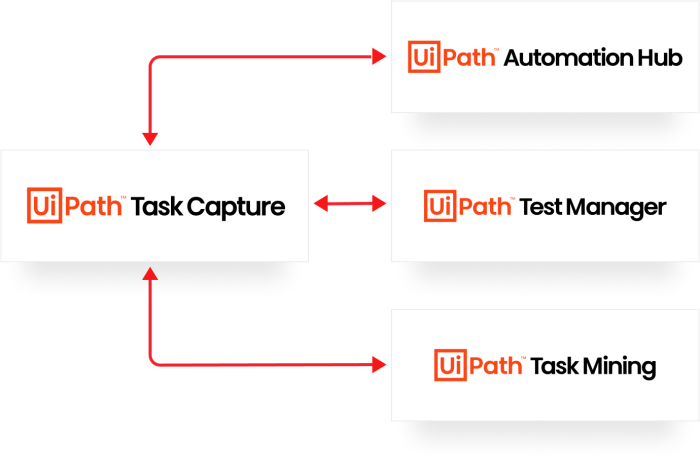 UiPath Task Capture is a powerful tool that simplifies the creation of Process Definition Documents (PDDs) for business analysts. By automating the process of capturing user interactions and generating detailed documentation, Task Capture streamlines the creation of PDDs, saving time and reducing errors.
Step-by-Step Process of Using UiPath Task Capture for Creating PDDs
To create a PDD using UiPath Task Capture, follow these steps:- Start by opening Task Capture and selecting the process you want to document.
- Record the user interactions by capturing screenshots, keyboard inputs, and mouse clicks.
- Annotate the captured steps with relevant information, such as inputs, outputs, and decision points.
- Organize the captured steps into a logical sequence to represent the process flow accurately.
- Generate the PDD document with a click of a button, including all the captured steps and annotations.
Tip: Ensure to review and validate the generated PDD to check for accuracy and completeness before finalizing it.
Tips on Optimizing PDD Creation using UiPath Task Capture
- Use naming conventions for captured steps to maintain consistency and clarity throughout the PDD.
- Collaborate with stakeholders to gather additional insights and feedback to enhance the quality of the PDD.
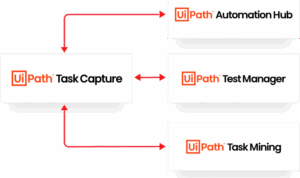
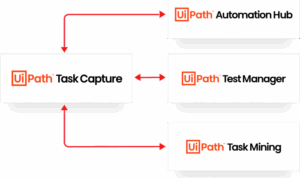
- Utilize Task Capture's integration with UiPath Automation Hub to seamlessly transition from process documentation to automation development.
- Regularly update and maintain PDDs to reflect any changes or improvements in the process over time.
Benefits of Creating PDDs in Minutes
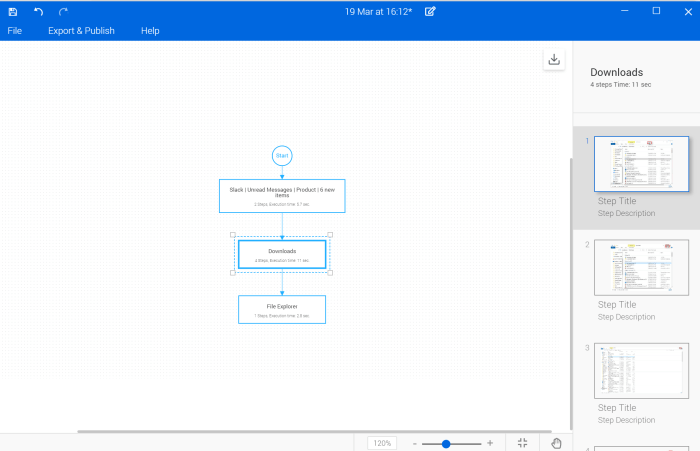 Creating Process Definition Documents (PDDs) in a matter of minutes offers numerous advantages that can significantly impact project success and efficiency. By streamlining the PDD creation process, business analysts can enjoy several benefits that contribute to the overall success of a project.
Improved Project Timelines
Faster creation of PDDs directly impacts project timelines by accelerating the initial phases of a project. With PDDs being generated quickly, development teams can proceed with implementing the automation process promptly, reducing the overall project duration. This efficiency ensures that projects stay on track and are delivered within the specified time frame.Enhanced Collaboration
Rapid PDD creation facilitates better collaboration among team members involved in the project. When PDDs are produced quickly, stakeholders can review and provide feedback promptly, leading to faster iterations and approvals. This seamless collaboration ensures that all project members are aligned and working towards a common goal, enhancing overall project efficiency.Real-world Scenarios
In real-world scenarios, rapid PDD creation proves beneficial in instances where businesses need to adapt quickly to changing market conditions or regulatory requirements. For example, in a dynamic industry like finance, fast PDD generation allows companies to swiftly automate new processes or update existing ones to remain competitive. Additionally, during urgent projects or critical situations, quick PDD creation enables organizations to respond promptly and deploy automation solutions faster, ensuring business continuity and operational efficiency.Ending Remarks
Concluding this discussion, the outro encapsulates the key points discussed and leaves readers with a lasting impression of the significance of efficient PDD creation.
FAQ
What is the primary purpose of UiPath Task Capture for Business Analysts?
UiPath Task Capture aims to simplify the process of documenting and creating detailed PDDs for Business Analysts.
Why is it essential to create detailed PDDs as a Business Analyst?
Detailed PDDs are crucial as they provide a comprehensive blueprint for the automation process, ensuring clarity and accuracy in implementation.
How does rapid PDD creation impact project timelines?
Faster PDD creation accelerates project initiation and execution, leading to quicker deployment of automated processes.