Diving into UiPath Task Capture vs. Manual Process Mapping: A Cost-Benefit Analysis, this introduction immerses readers in a unique and compelling narrative. It explores the differences between these two approaches, highlighting their strengths and weaknesses in a detailed manner.
It also provides real-world examples to illustrate the efficiency gains and collaboration enhancements offered by UiPath Task Capture and Manual Process Mapping.
Compare UiPath Task Capture and Manual Process Mapping
When comparing UiPath Task Capture and Manual Process Mapping, it's essential to understand the differences in their approach, strengths, and weaknesses to determine which method is more suitable for a particular scenario.
Approach
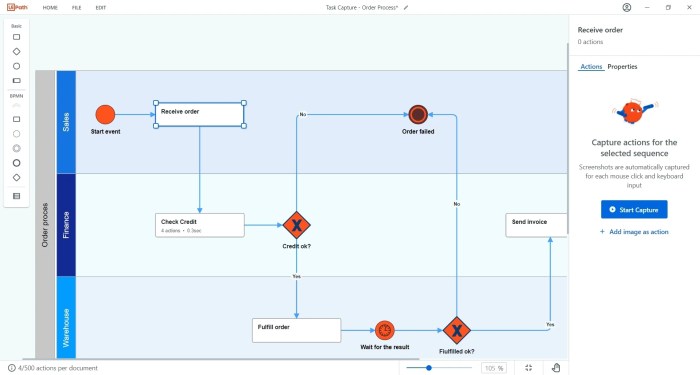
UiPath Task Capture automates the process of documenting workflows by capturing user interactions with applications, creating detailed process maps automatically. On the other hand, Manual Process Mapping involves manually documenting each step of a process, usually through interviews, observation, and analysis.
Strengths and Weaknesses
- UiPath Task Capture:
- Strengths:
- Efficiency: Automates the documentation process, saving time and reducing human error.
- Accuracy: Captures processes as they are executed, ensuring precise documentation.
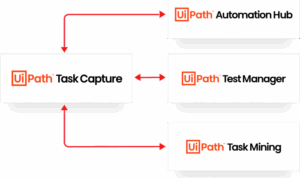
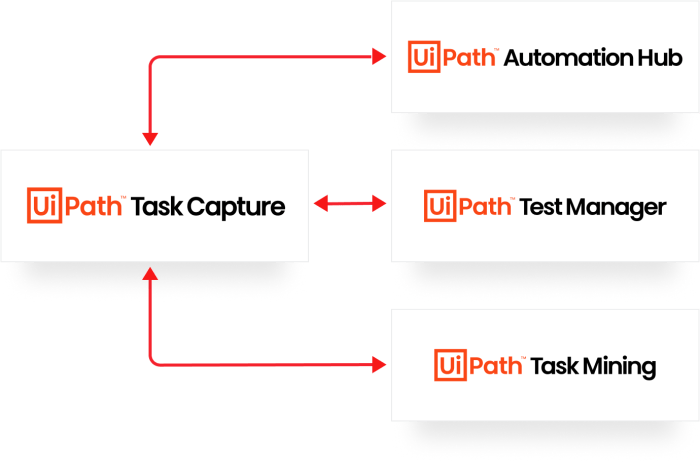
- Integration: Seamlessly integrates with other UiPath products for end-to-end automation.
- Weaknesses:
- Complexity: May not capture all nuances of a process, especially those involving decision-making or judgment.
- Dependence on technology: Relies on the proper functioning of the automation tool.
- Strengths:
- Manual Process Mapping:
- Strengths:
- Flexibility: Allows for detailed analysis and understanding of complex processes.
- Human Insight: Enables capturing subjective elements and expert knowledge that automation may overlook.
- Weaknesses:
- Time-Consuming: Requires significant time and effort to manually document processes.
- Subjectivity: Documentation may vary based on the individual mapping the process.
- Strengths:
Scenarios for Suitability
UiPath Task Capture is more suitable for repetitive, rule-based processes that are highly structured and require efficient documentation. On the other hand, Manual Process Mapping is ideal for processes that involve a high level of complexity, variability, or human judgment, where a more detailed and nuanced approach is necessary.
Benefits of UiPath Task Capture
UiPath Task Capture offers several benefits that streamline the process documentation process, enhance efficiency, and promote collaboration among team members. By leveraging this tool, organizations can achieve significant improvements in their workflow management and overall productivity.Streamlined Process Documentation
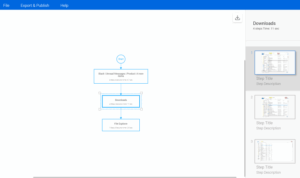
UiPath Task Capture simplifies the process of documenting workflows by allowing users to capture step-by-step instructions, screenshots, and annotations in real-time. This streamlined approach eliminates the need for manual documentation, reducing errors and saving time for employees. With automated task capture, organizations can create comprehensive process maps quickly and accurately.Efficiency Gains with UiPath Task Capture
Real-world examples demonstrate the efficiency gains that organizations can achieve with UiPath Task Capture. For instance, a financial services company was able to reduce the time required to document its loan approval process by 50% using this tool. By automating the task capture process, employees could focus more on analyzing and improving workflows, leading to better outcomes and faster decision-making.Enhanced Collaboration Among Team Members
UiPath Task Capture facilitates collaboration among team members by providing a centralized platform for sharing and reviewing process documentation. Team members can easily access and edit workflows, add comments, and collaborate in real-time, regardless of their physical location. This improved communication and collaboration lead to better alignment, increased transparency, and faster resolution of issues within the organization.Benefits of Manual Process Mapping
Manual process mapping offers several advantages when it comes to capturing intricate process details and optimizing workflows.
Greater Customization and Flexibility
One of the key benefits of manual process mapping is the ability to customize the mapping process according to the specific needs of a particular organization or project. This level of customization allows for greater flexibility in documenting and analyzing processes, ensuring that all unique requirements are adequately addressed.
In-depth Understanding of Processes
- Manual process mapping enables a deep dive into each step of a process, providing a comprehensive understanding of how tasks are interconnected and where potential bottlenecks may occur.
- By visually representing each stage of a process, manual mapping helps identify inefficiencies, redundancies, and opportunities for improvement that might otherwise go unnoticed.
Hands-on Approach to Process Improvement
- Engaging in manual process mapping requires team members to actively participate in documenting workflows, fostering a collaborative approach to process improvement.
- This hands-on involvement often leads to a more thorough analysis of processes and encourages team members to take ownership of the optimization efforts.
Potential Pitfalls of Solely Relying on Manual Process Mapping
While manual process mapping offers numerous benefits, there are potential pitfalls to consider. One major drawback is the time-consuming nature of manual mapping, which can be inefficient for large-scale projects or complex processes.
Cost considerations between UiPath Task Capture and Manual Process Mapping
When deciding between UiPath Task Capture and manual process mapping, it is important to consider the cost implications of each method. Understanding the financial aspects of implementing these tools can help in making an informed decision for your organization.Cost breakdown of implementing UiPath Task Capture
- Initial investment in purchasing UiPath Task Capture software
- Training costs for employees to learn how to use the tool effectively
- Integration costs with existing systems and processes
- Maintenance and support fees for updates and troubleshooting
Comparison of financial implications of using manual process mapping
- Cost of hiring skilled professionals to manually map out processes
- Time and resources spent on documenting processes through manual methods
- Potential errors or inaccuracies in manual mapping leading to rework costs
- Opportunity cost of employees spending time on manual mapping instead of core business activities
Analysis of long-term cost benefits of each method
- UiPath Task Capture may have a higher initial cost but can lead to long-term savings through increased efficiency and accuracy in process mapping
- Manual process mapping may seem cost-effective initially, but the long-term costs associated with errors and inefficiencies can outweigh the benefits
- Consider the scalability of each method and how costs may change as your organization grows and evolves
Final Thoughts
In conclusion, the discussion on UiPath Task Capture vs. Manual Process Mapping: A Cost-Benefit Analysis sheds light on the key considerations and factors to weigh when choosing between these methods. It encapsulates the essence of the comparison and offers valuable insights for decision-making.
Key Questions Answered
What are the key differences between UiPath Task Capture and Manual Process Mapping?
UiPath Task Capture automates the process documentation process, while manual process mapping involves capturing intricate details manually.
How does UiPath Task Capture enhance collaboration among team members?
UiPath Task Capture allows for real-time collaboration and sharing of process documentation, fostering teamwork and efficiency.
What are the potential pitfalls of relying solely on manual process mapping?
Manual process mapping may be time-consuming, prone to errors, and lack the scalability offered by automation tools like UiPath Task Capture.